


Andreasstrasse Memorial and Educational Centre
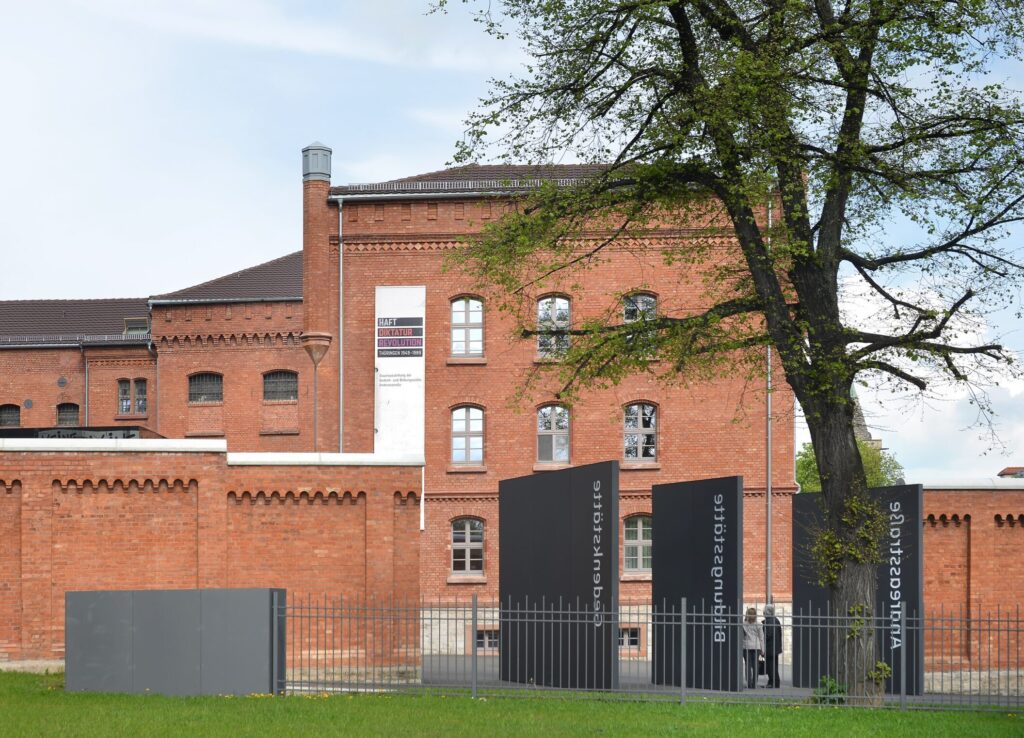
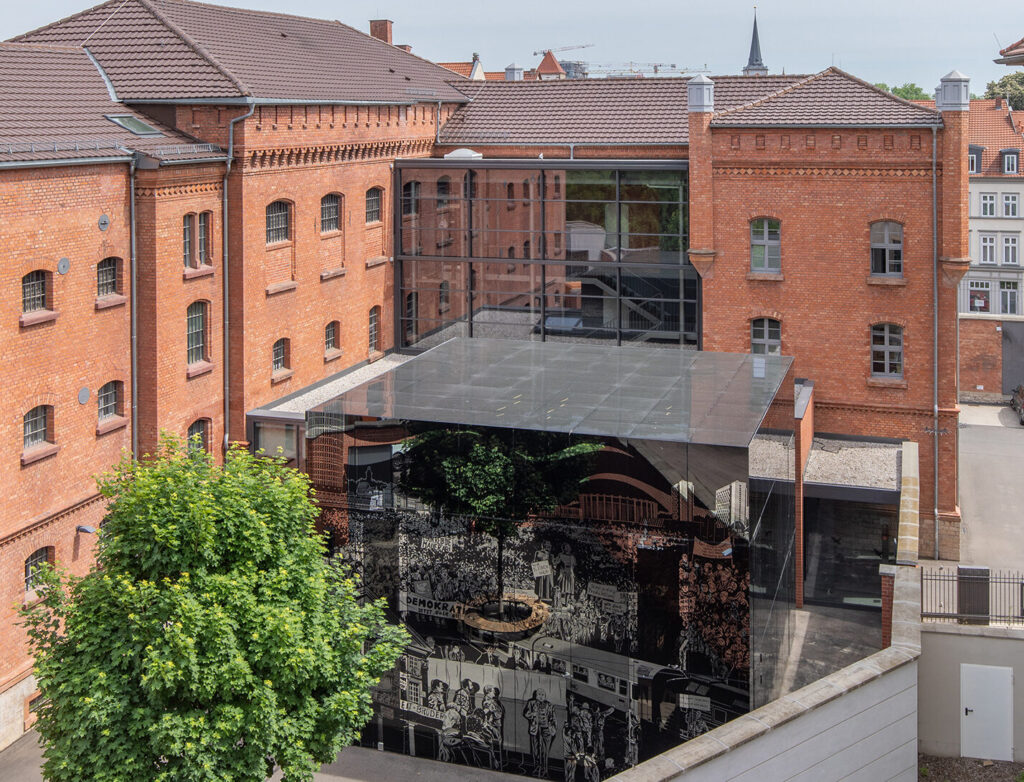
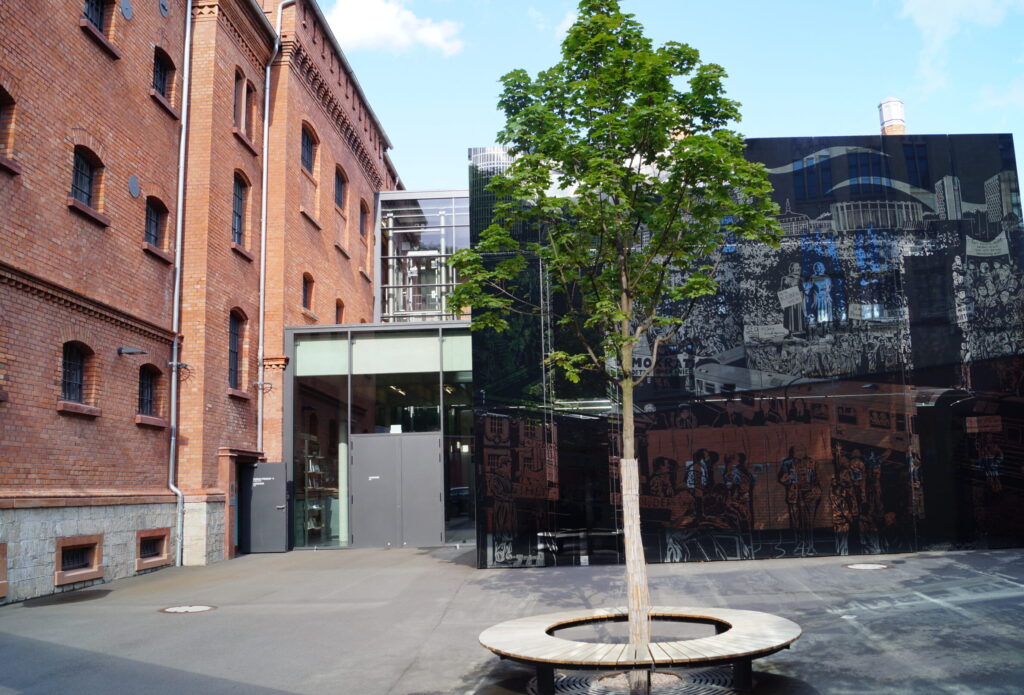
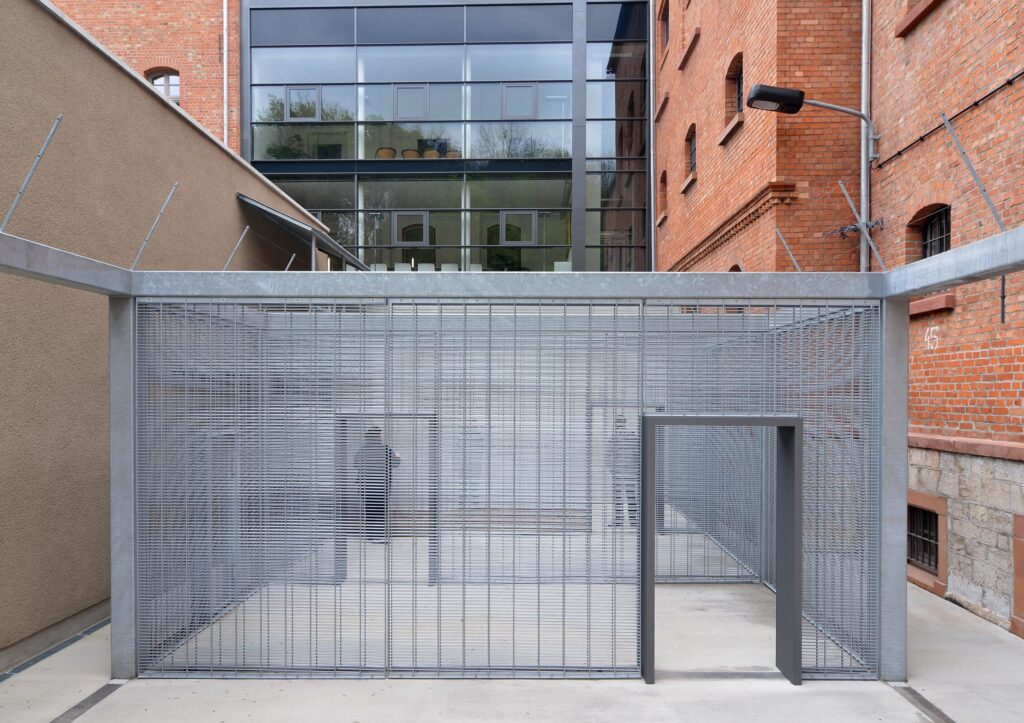
The Andreasstrasse Memorial and Educational Centre is a modern history museum in the Thuringian capital of Erfurt. During the GDR, the building was a remand detention facility where dissidents were imprisoned. Today, you can visit and experience Thuringia’s most comprehensive exhibition on the SED dictatorship.
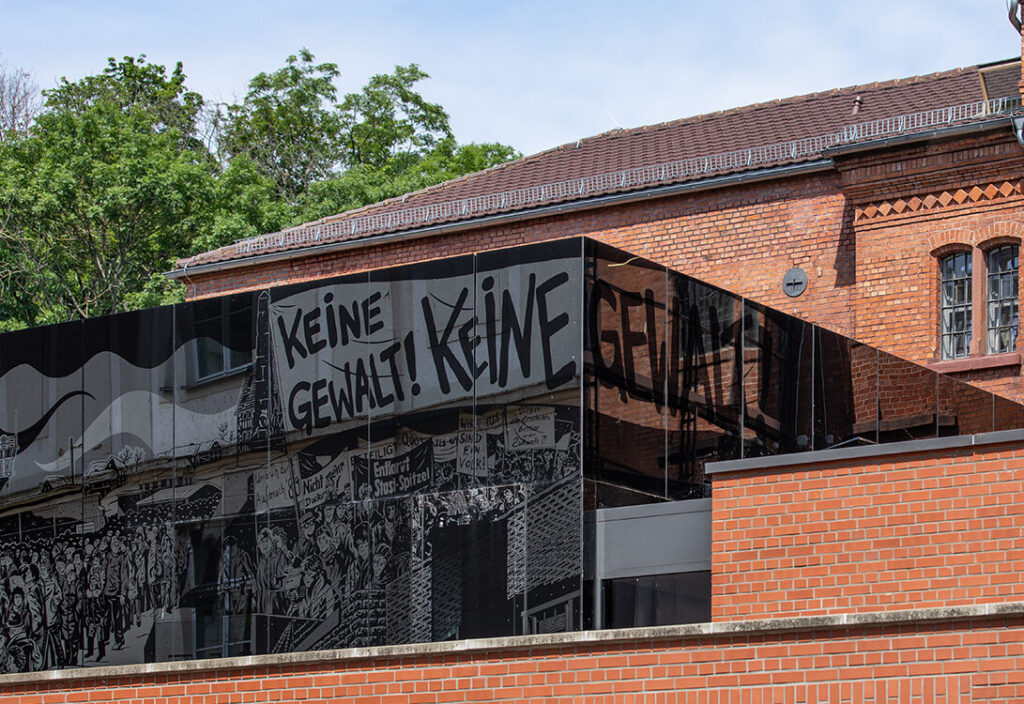
Discover new perspectives on the GDR with us! Meet eyewitnesses on screens, in comics or in person. Immerse yourself in the stories of former political prisoners. And get to know people who fought for democracy during the Peaceful Revolution and recount this extraordinary time in their lives.
Andreasstrasse Across Time
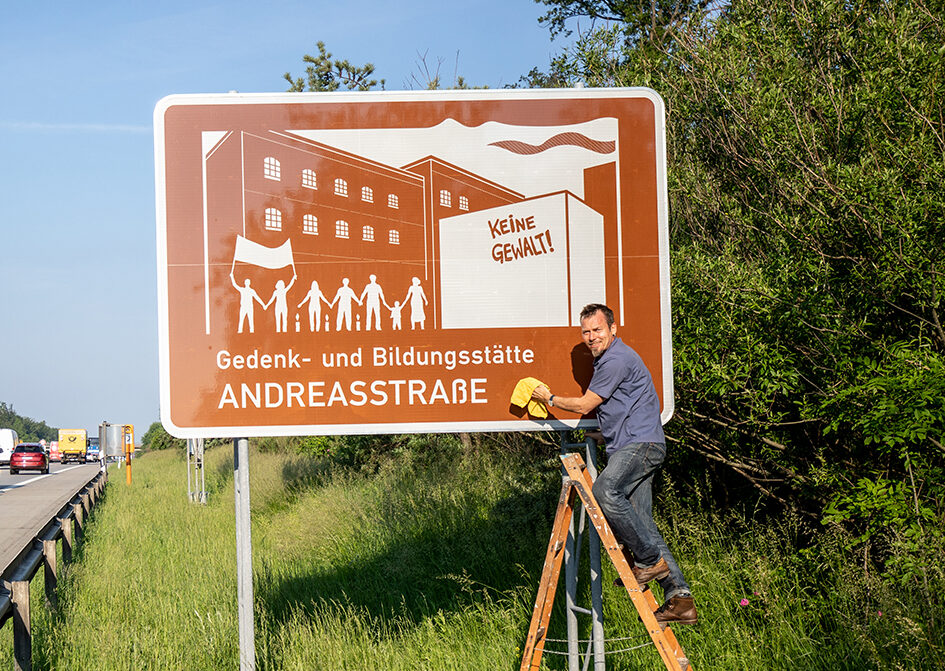
In the GDR, when the people of Erfurt spoke of “Andreasstrasse”, they didn’t usually mean the street that leads north from Erfurt’s Domplatz (Cathedral Square), but the dreaded secret police headquarters and its prison headquartered there. In 1952, Andreasstrasse became home to the district administration of the Ministry of State Security (Stasi, for short) and the Stasi’s pre-detention remand prison. But times and places change. When we talk about “Andreasstrasse” in Erfurt today, we usually mean the Andreasstrasse Memorial and Educational Centre.

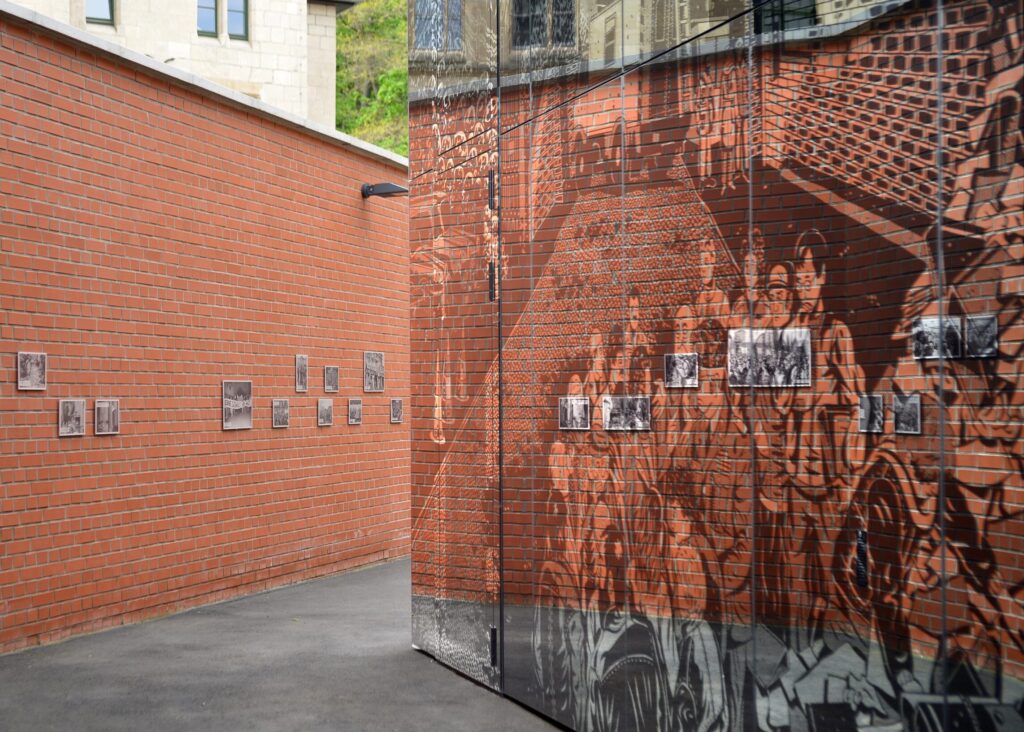
First Stasi Occupation in the GDR
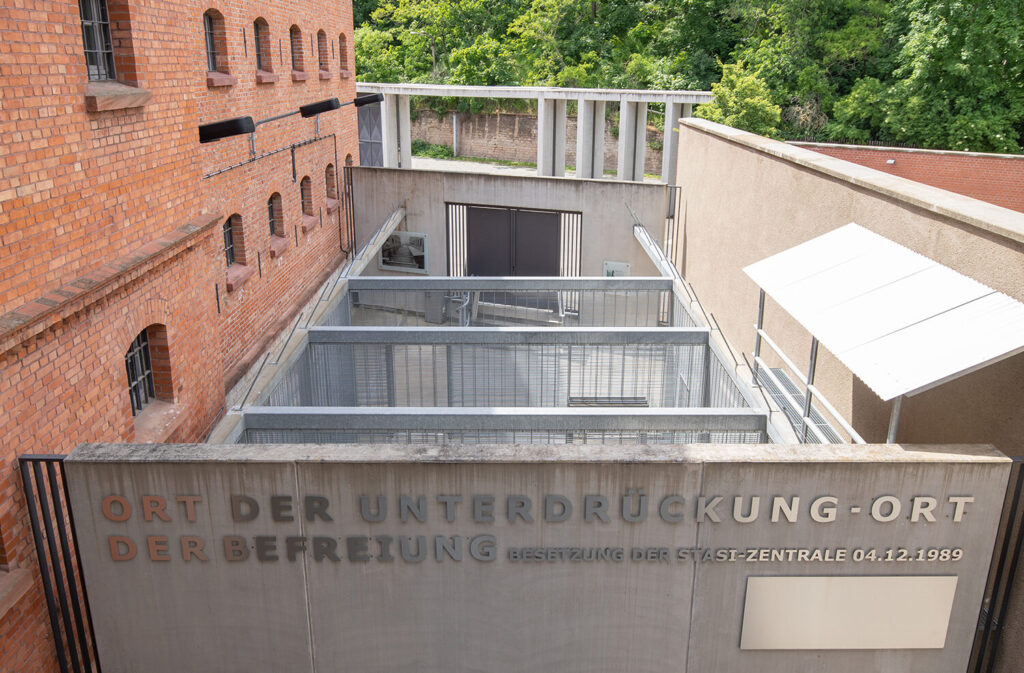
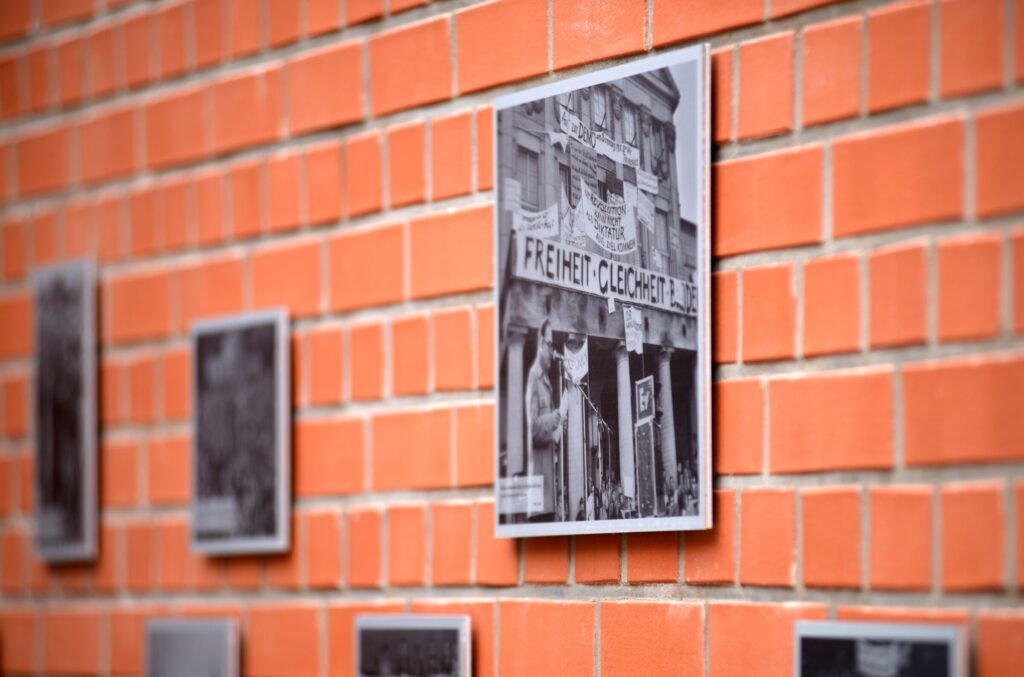
On December 4, 1989, Andreasstrasse transformed from a site of oppression to a site of liberation. On that day, courageous Erfurt residents occupied the local Stasi headquarters and its prison. They saved the Stasi files from destruction and thus made it possible to reappraise the SED dictatorship after its fall. Soon thereafter, people in other East German cities would follow Erfurt’s example.
The extraordinary history of Andreasstrasse also shapes our memorial work. We are curious. We take creative paths in disseminating knowledge. In 2020, we were awarded the Museum Prize of the Sparkassen-Kulturstiftung Hessen-Thüringen.
Our aim is not dry textbook learning, but exciting stories about oppression and liberation.
Let yourself be informed and engaged in the “Andreasstrasse”, let us make you think and maybe even motivate you to see in new ways.
We look forward to welcoming you here.
All important details to prepare your visit can be found here.
Site of Oppression
Site of Rupture
Site of Reckoning

“After the reunification of Germany, many sites of injustice from the time of the SED dictatorship were destroyed and disappeared from public life. However, it is important for the people who suffered under the previous regime that such places remain visible. They make it easier for us to talk about our past. I can say, for example, ‘Go to the Andreasstrasse Memorial. There you can see and experience what political imprisonment meant in the GDR.’ My hope is that when people understand what it actually meant to live in a dictatorship, their appreciation for democracy and freedom increases and they play a more active role in shaping the future.”
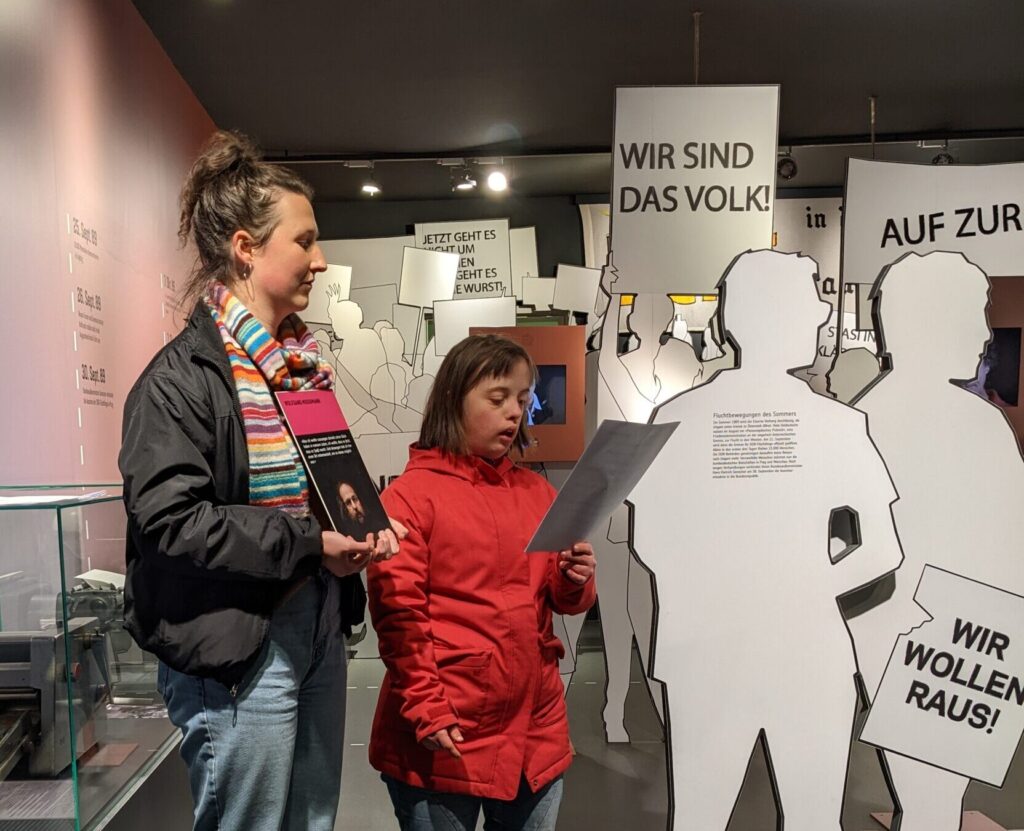
“I think it’s nice that Andreasstrasse is a place that is open to all people. What I particularly like are the comics in the Memorial. I paint myself and find that pictures can often be understood better than complicated sentences. Recently, I have also started giving guided tours at Andreasstrasse. Before my first tour, I had real stage fright. For me, this is an exciting project because I have met many interesting and friendly people at Andreasstrasse. We are a great team that supports each other. What is also important to me: I get paid well for the tours I give. After all, preparing a tour is a lot of work.”
