


In the GDR, the red brick building in Andreasstrasse was a dreaded place. Here, the Ministry of State Security (Stasi, for short) imprisoned people who did not want to bow to the SED dictatorship. The usual accusations were: espionage, sabotage, underground activity, anti-democratic incitement. Later, after the construction of the Berlin Wall in 1961, the majority of the people in Stasi custody were people who had unsuccessfully tried to escape the GDR to emigrate to the West.

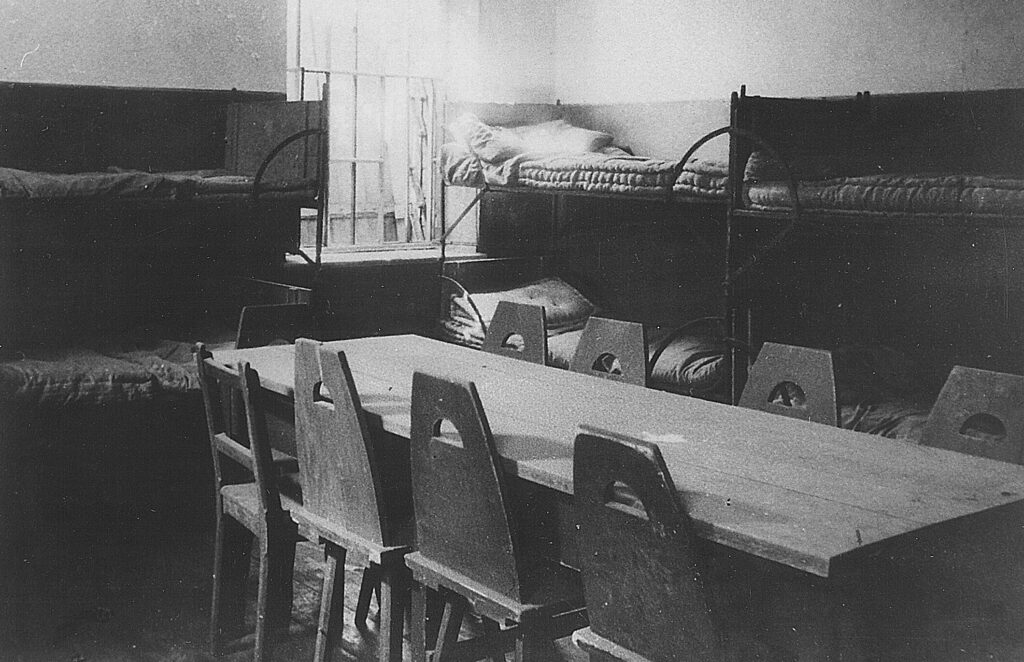
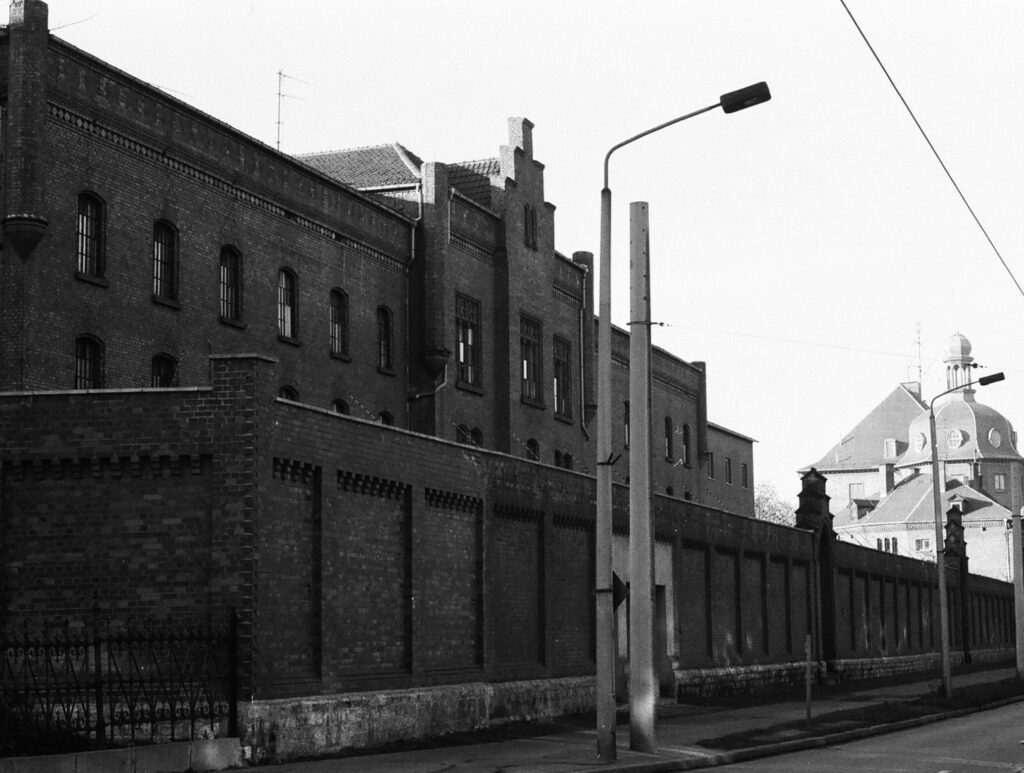
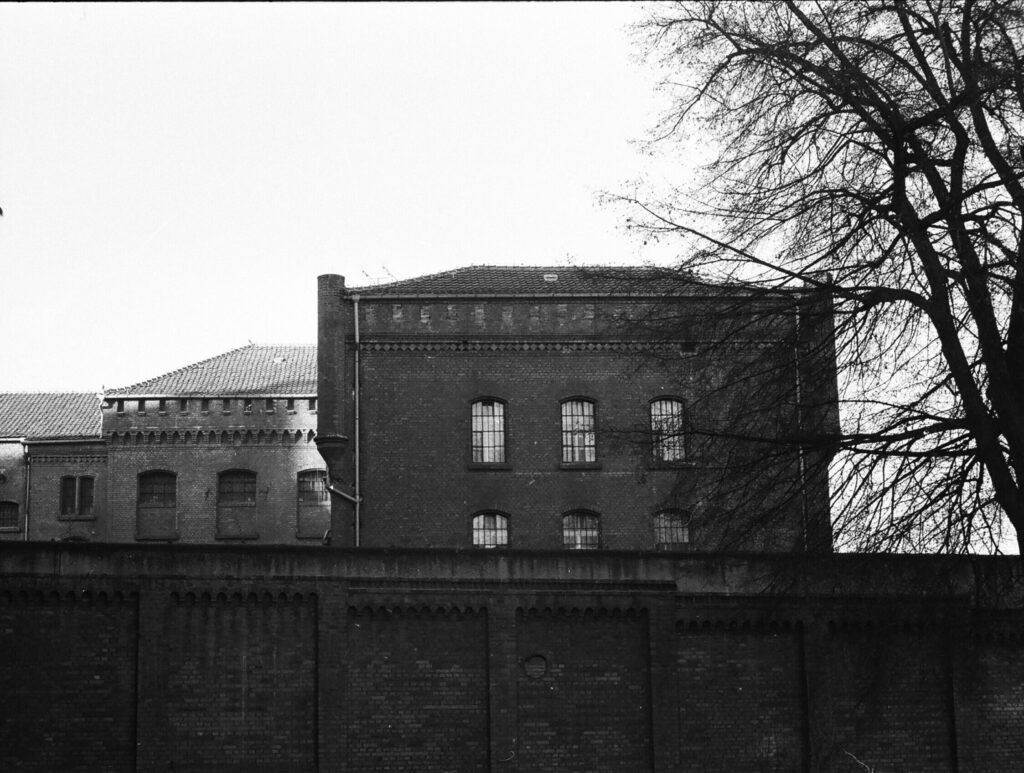
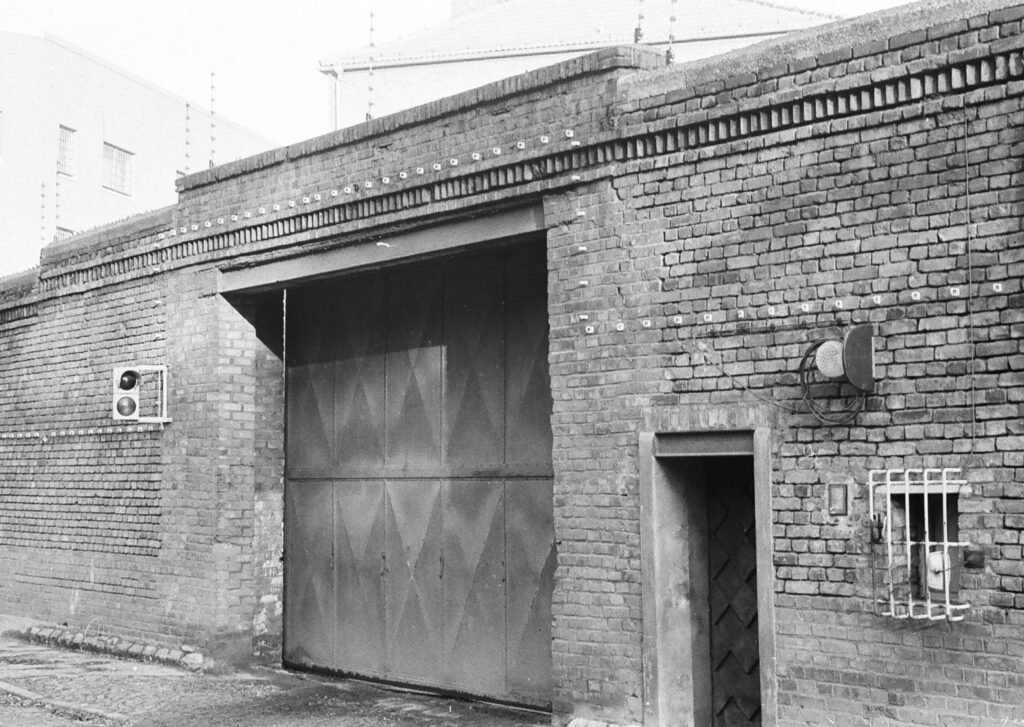
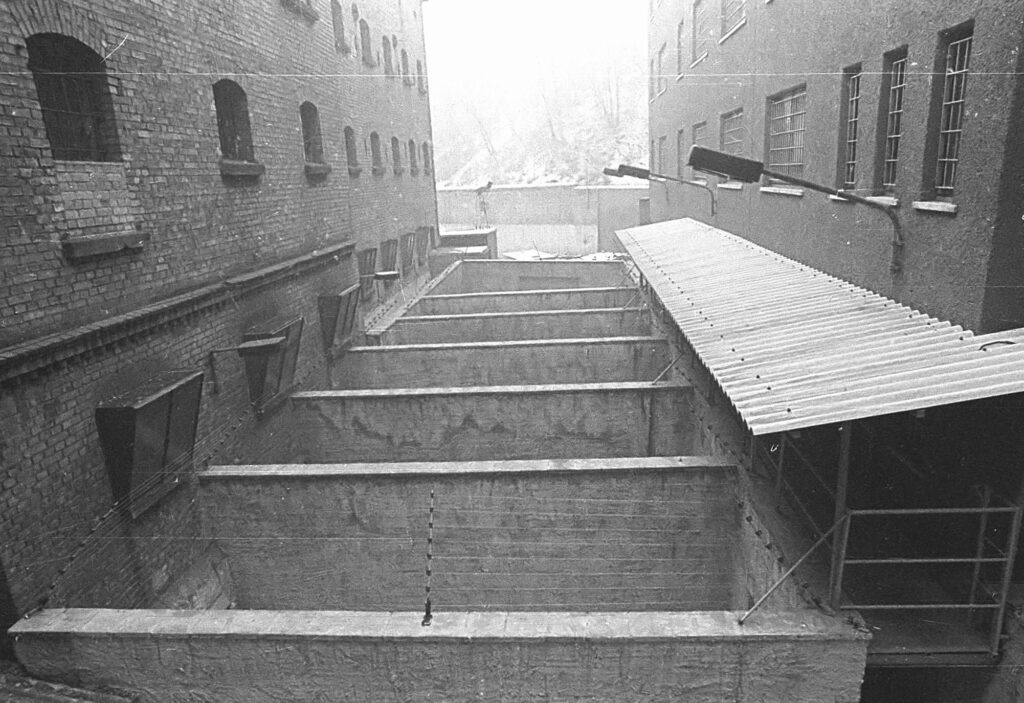


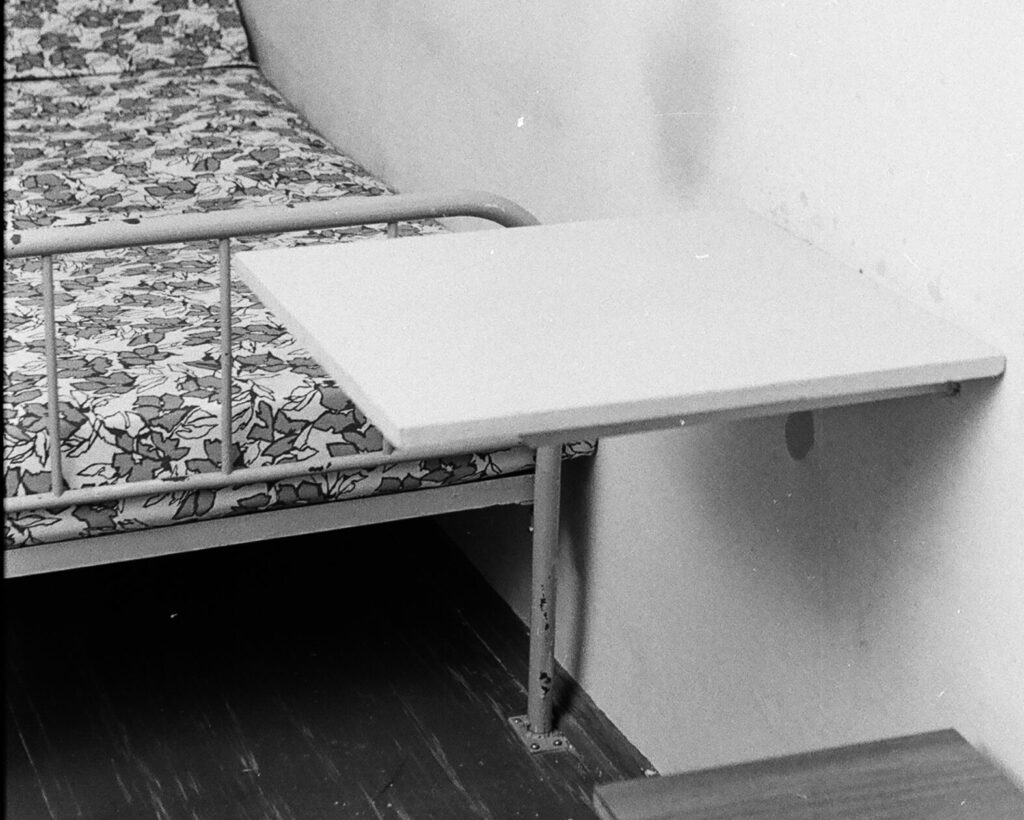

According to current calculations, 5.523 GDR citizens were held in pre-trial detention at Erfurt’s Andreasstrasse for political reasons – isolated from the outside world and excluded from regular criminal proceedings. Interrogations and isolation, disorientation and uncertainty determined their daily lives in prison. Most prisoners were sentenced to imprisonment after their pre-trial detention. Prisoners were also held on the ground floor and in the basement of the building – in the custody of the People’s Police (Volkspolizei). Political prisoners, such as men who had refused military service, were also among these detainees.
Andreasstrasse as a place of discipline and punishment did not begin during the GDR. Since 1878 people have been imprisoned in Andreasstrasse. However, the prison only became a place of systematic repression of political dissenters during the Nazi period. Because they did not fit into the worldview of the Nazis, hundreds of women and men were imprisoned there.
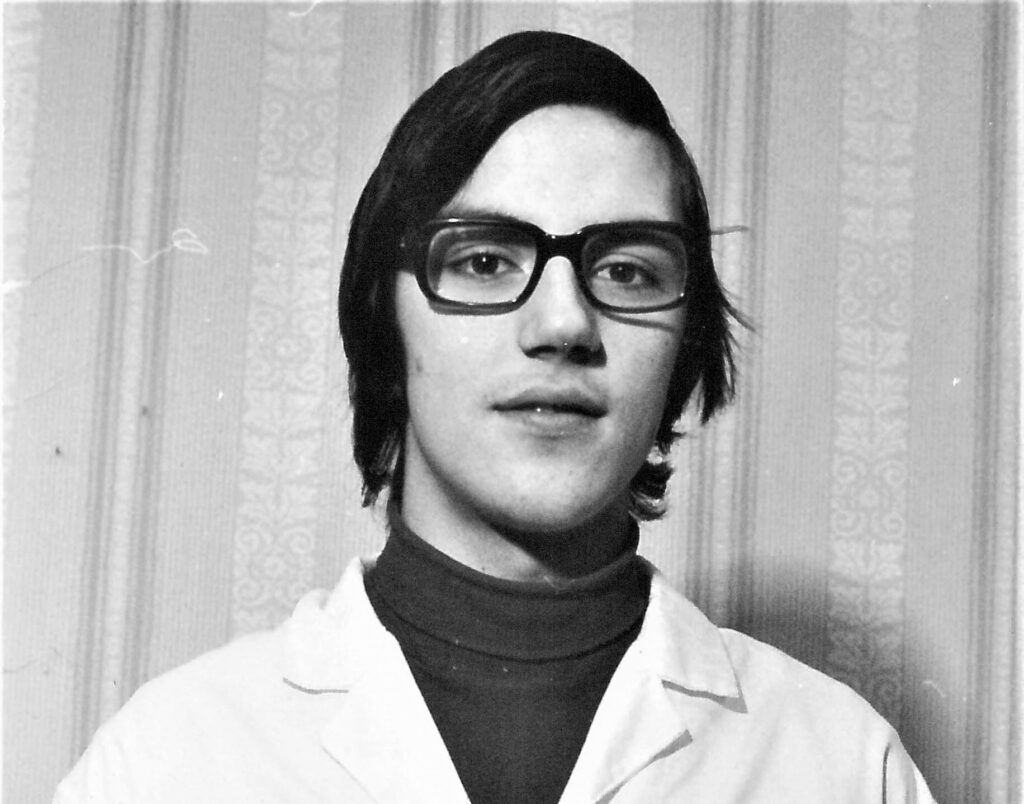
*1959 in Gotha
Accusation: ‘Incitement against the state’ according to §220 of the Criminal Code of the GDR
Detained in Andreasstrasse from June to December 1978
“I was in a cell with three other inmates. We were not allowed to work. We killed time. My faith gave me strength and support during this difficult time. When, on Pentecost or during the autumn pilgrimage, the sound of the great bell from the nearby cathedral penetrated the thick prison walls, I found new hope.”
At the age of 18, Harald Ipolt wants to commemorate the popular uprising in the GDR that began on June 17, 1953. Using chalk, he wrote, ‘Long live the 17th of June’ on Gotha’s streets. For this ‘anti-state incitement,’ he was sentenced to one year in prison. After six months of pre-trial detention in the Stasi prison in Andreasstrasse in Erfurt, Ipolt was released, but only on probation.
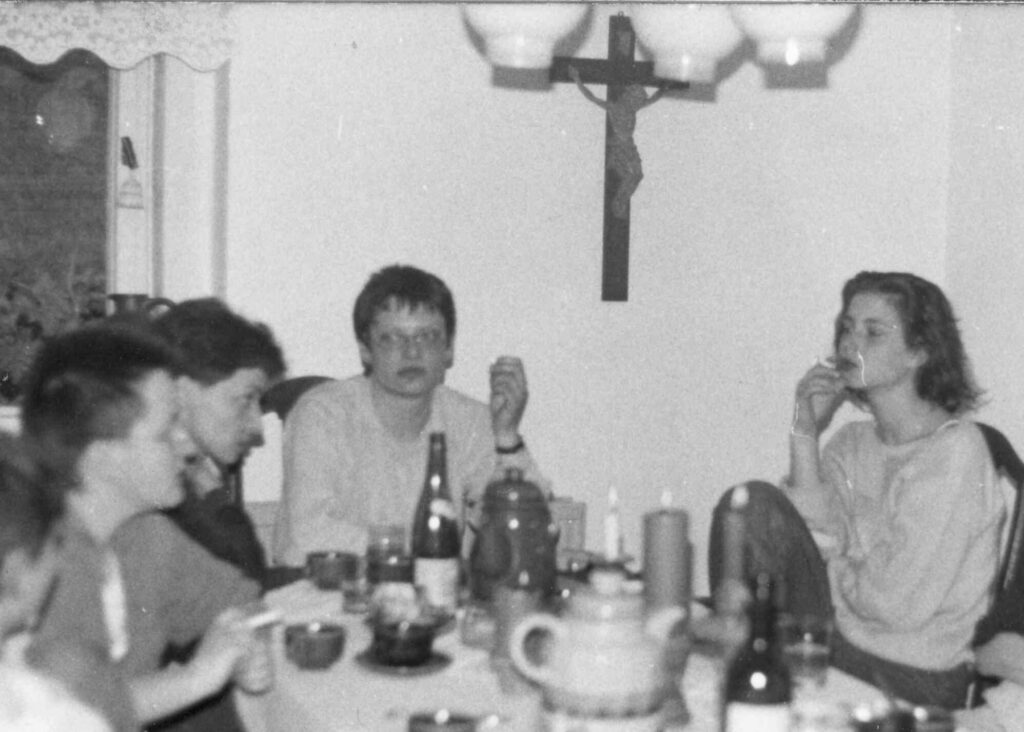
*1953 in Karl-Marx-Stadt, now Chemnitz
Dissident in the GDR and a participant in the 1989 Peaceful Revolution
“At the end of the 1980s, I met with other women almost daily. We debated, formulated open letters in which we denounced the conditions in the GDR, or discussed how we could create an ecumenical women’s center. We mostly met in each others apartments, in mine too. I was a single parent and had no one to take care of my child.”
Barbara Sengewald was active in several opposition groups and various women’s groups in the GDR. In 1989, she co-founded the group ‘Women for Change’. These courageous women initiated the first occupation of a Stasi headquarters in the GDR on December 4, 1989, in Erfurt. Their goal: to stop the destruction of the Stasi files that has already begun.
