


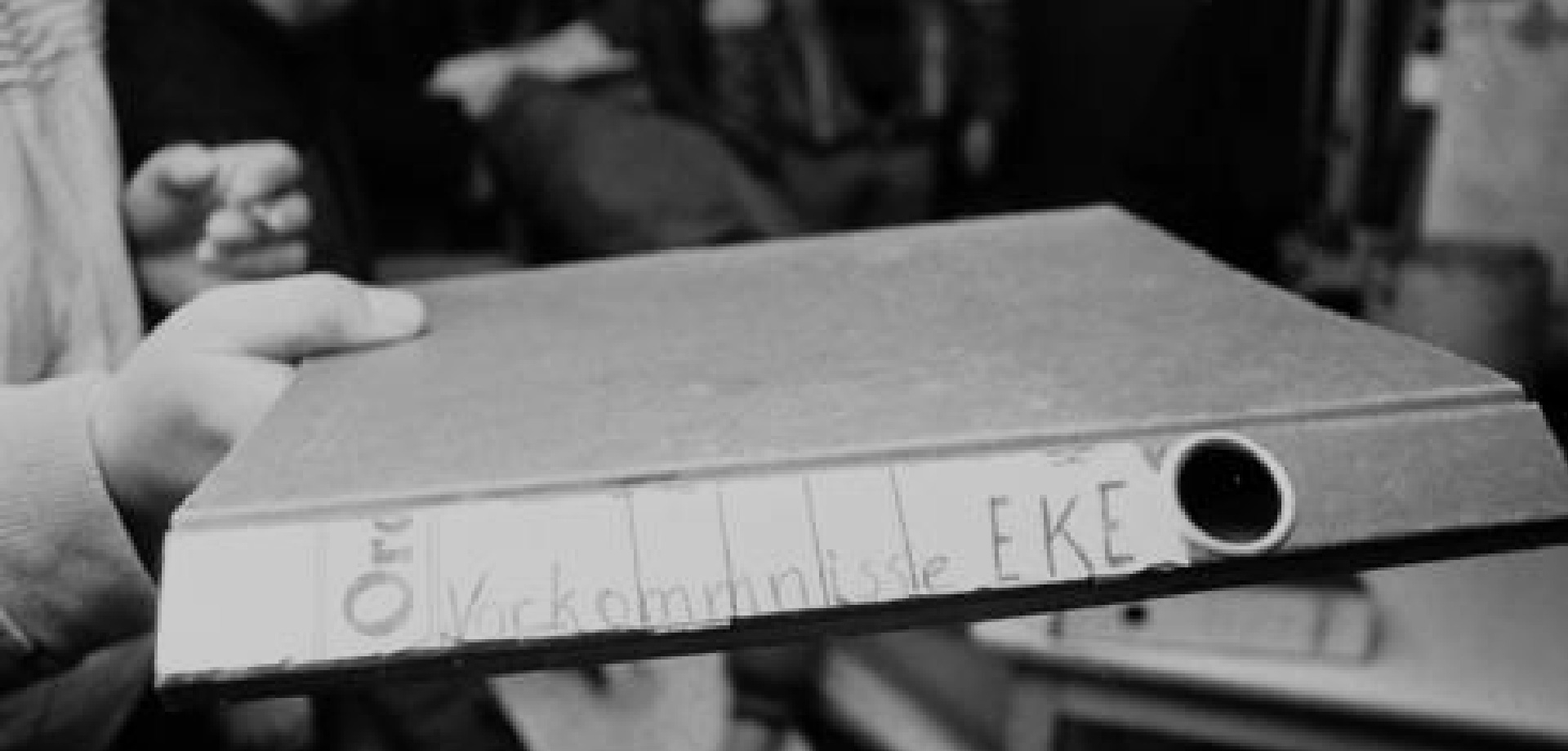
On December 4, 1989, Andreasstrasse transformed from a site of oppression to a site of liberation.
On this day courageous Erfurt residents occupied these Stasi headquarters as part of the Peaceful Revolution. It was the first occupation of a Stasi headquarters in the GDR. Soon thereafter, Stasi headquarters in other German cities were also occupied.
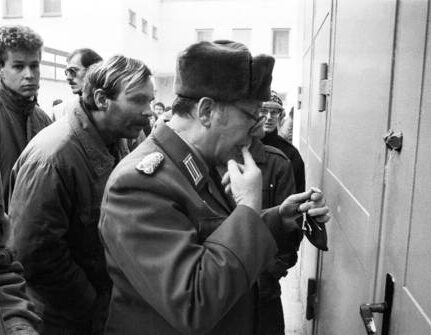
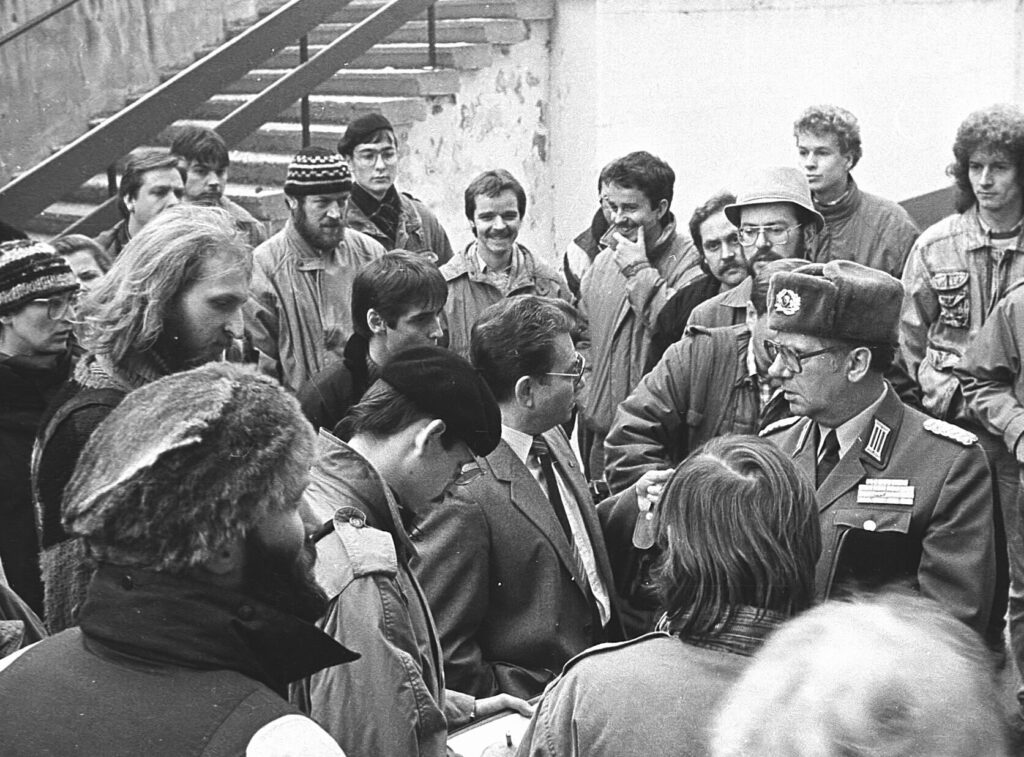
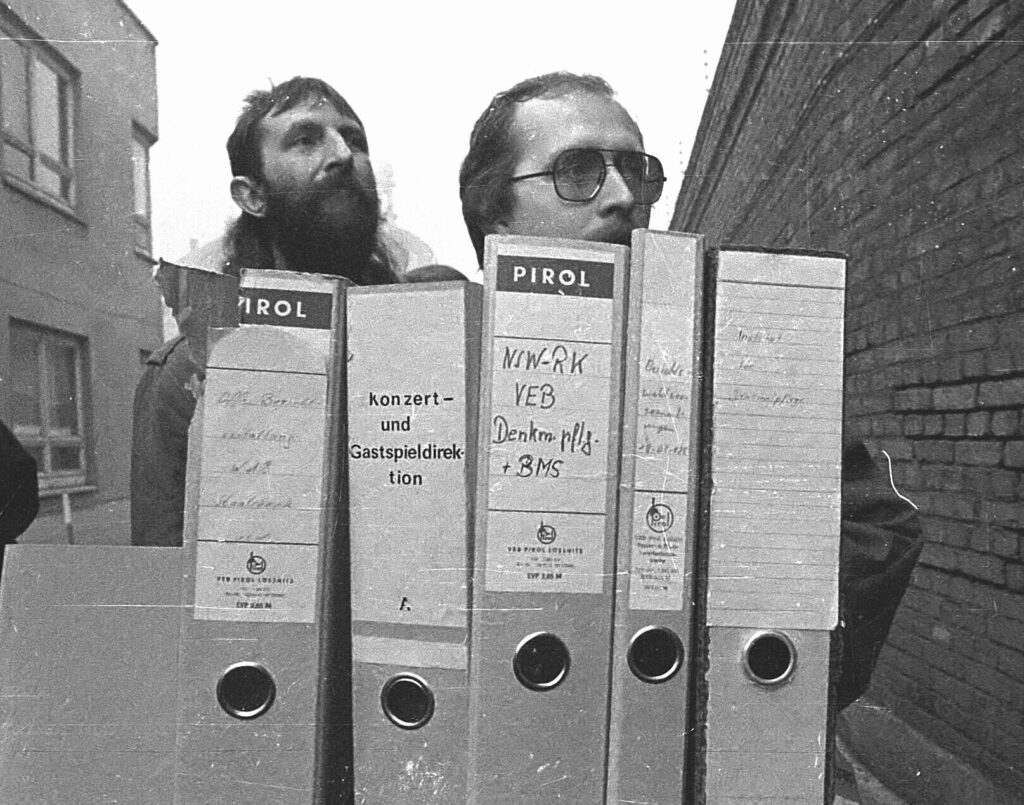
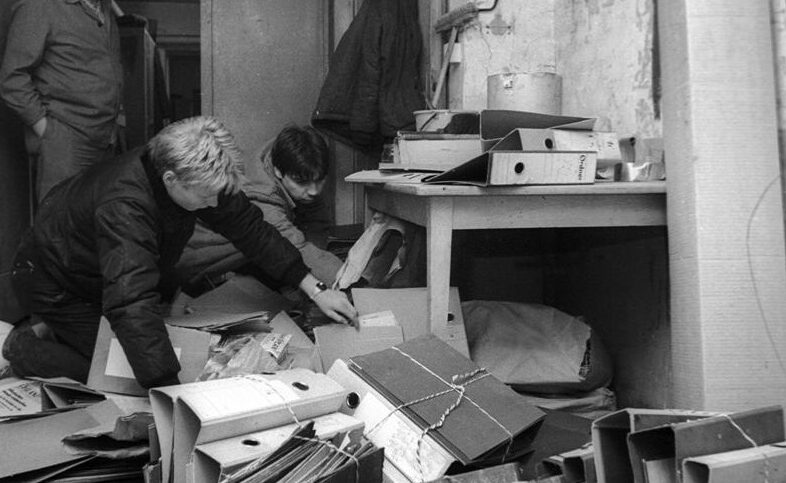
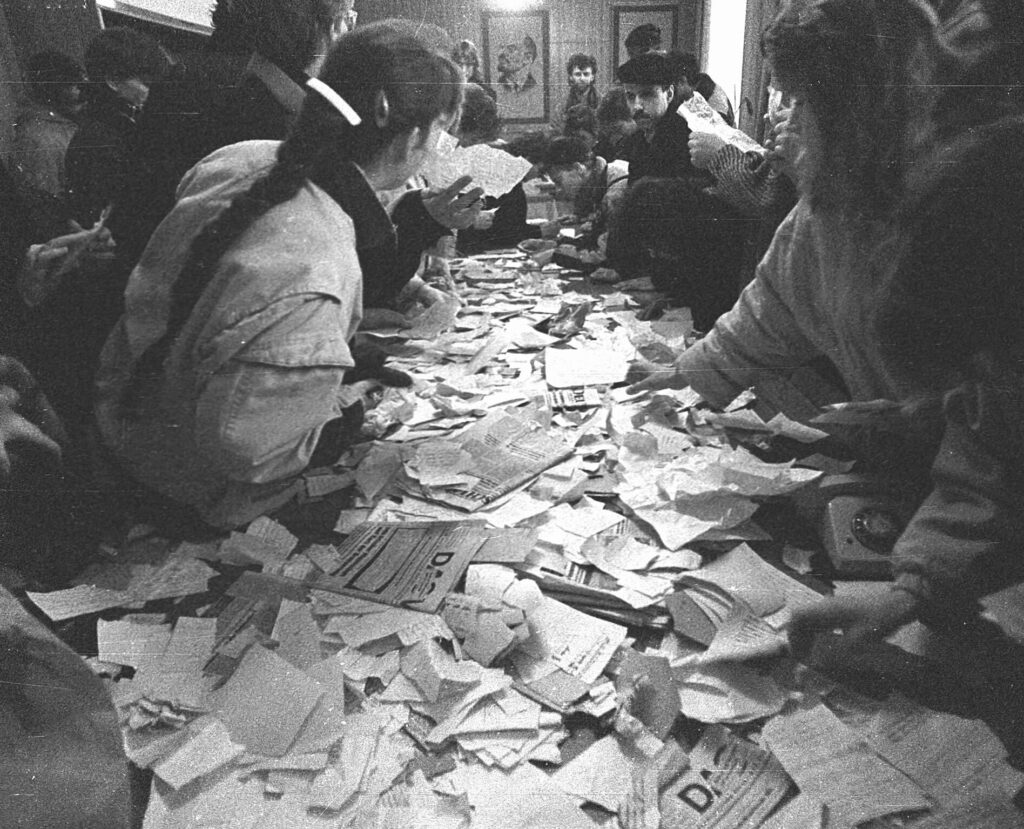
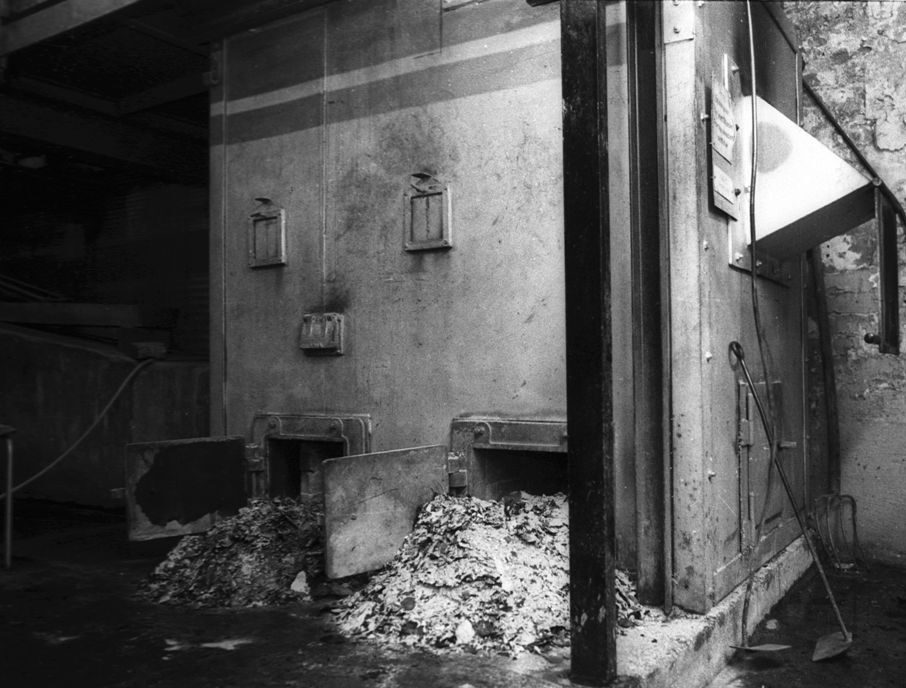
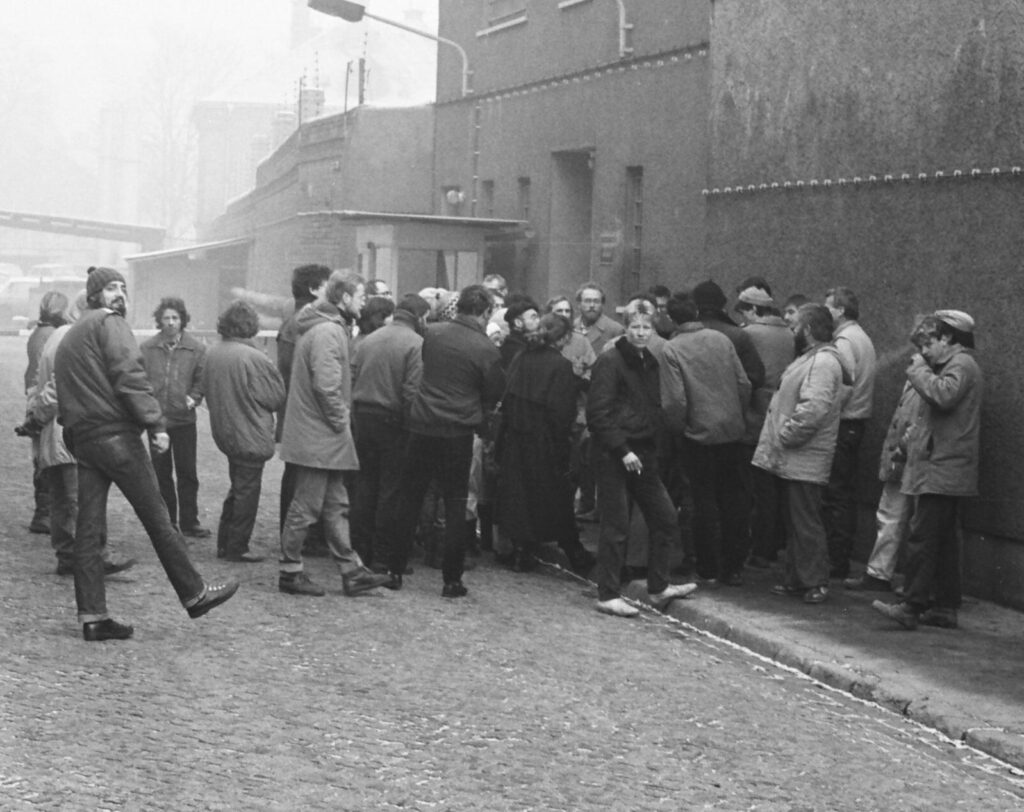


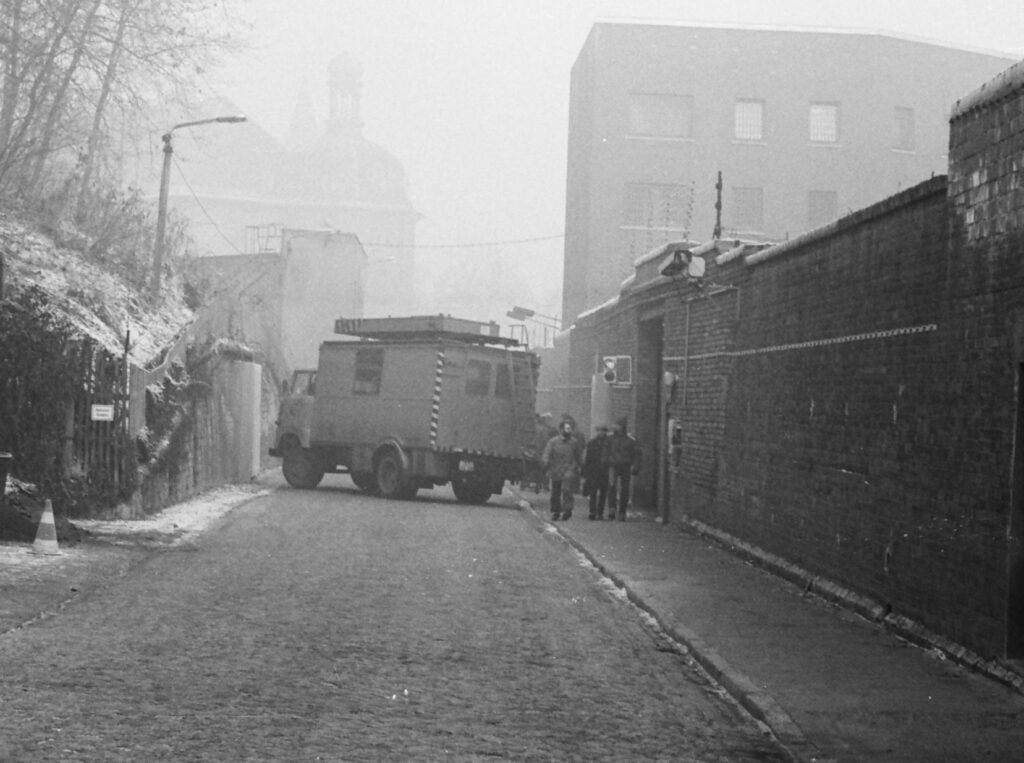

Stasi employees were in the process of destroying evidence of their human rights violations. But the occupiers saved what they could and stored the seized Stasi files in the empty prison cells. This was a milestone of the Peaceful Revolution and the beginning of the reappraisal of the SED dictatorship in Thuringia. It is also why, today, this story has a particular place at Andreasstrasse: on the cube of the Peaceful Revolution, the symbol of our Memorial and Educational Centre. To complete the artwork, historical images were compiled into a collage by the Potsdam agency freybeuter. The artist Simon Schwartz (Hamburg) was responsible for the artistic anonymization of the collage.
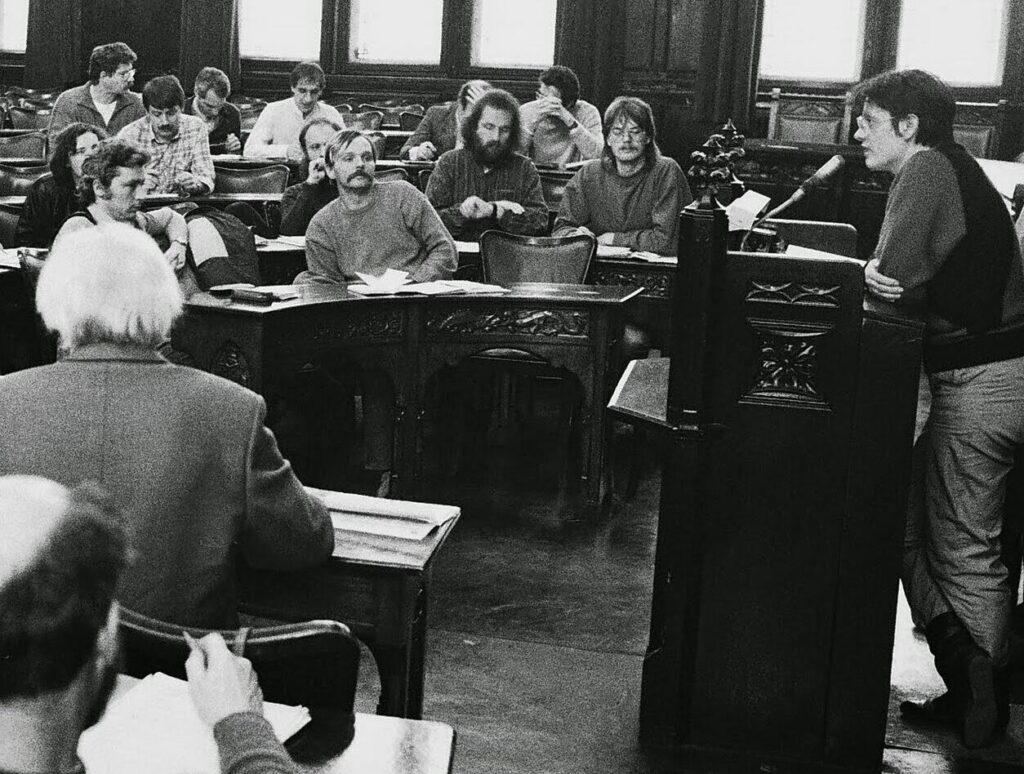
*1953 in Karl-Marx-Stadt, now Chemnitz
Dissident in the GDR and a participant in the 1989 Peaceful Revolution
“After the occupation of the Stasi headquarters, many people suddenly pitched in to dissolve the repressive apparatus of the state, the all-dominating octopus of the state security. We streamed out into the city to follow up on the many tips given to us by members of the community. We tracked down conspiratorial apartments, destroyed telephone interception systems, found underground bunkers.”
On December 5, 1989, one day after the occupation of the Stasi headquarters, a citizens’ committee was founded in Erfurt; Barbara Sengewald was also there. The primary goal: the dissolution of the Stasi. Because most people in Erfurt no longer trusted ‘the old-guard’ and their institutions, this committee quickly also began to devote itself to other municipal tasks.
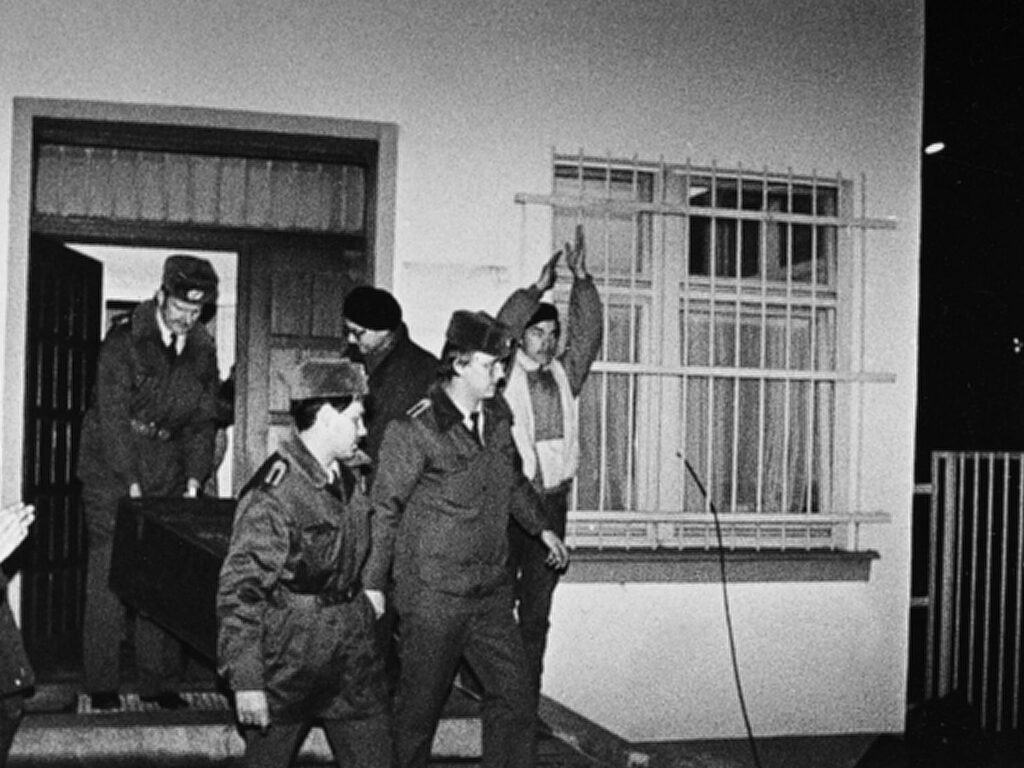
*1959 in Gotha
Accusation: ‘Incitement against the state’ according to §220 of the Criminal Code of the GDR
Detained in Andreasstrasse from June to December 1978
“When I arrived at Andreasstrasse, I was first interrogated for three weeks straight. Every day, from morning to night. The worst thing for me was the interrogator’s comment on the first day: ‘If you think that was enough to buy yourself at ticket to the West, you’re wrong.’ I didn’t want to go to West Germany. I wanted to stay in order to make a difference.”
In 1978, 18-year-old Harald Ipolt learned of the popular uprising that shook the SED dictatorship on June 17, 1953, and was brutally crushed by Soviet troops, by watching West German television. While East German media outlets were silent about the uprising, Ipolt wanted to memorialize it. He wrote ‘Long live the 17th of June’ in chalk on the streets of Gotha and ended up in prison for it.
